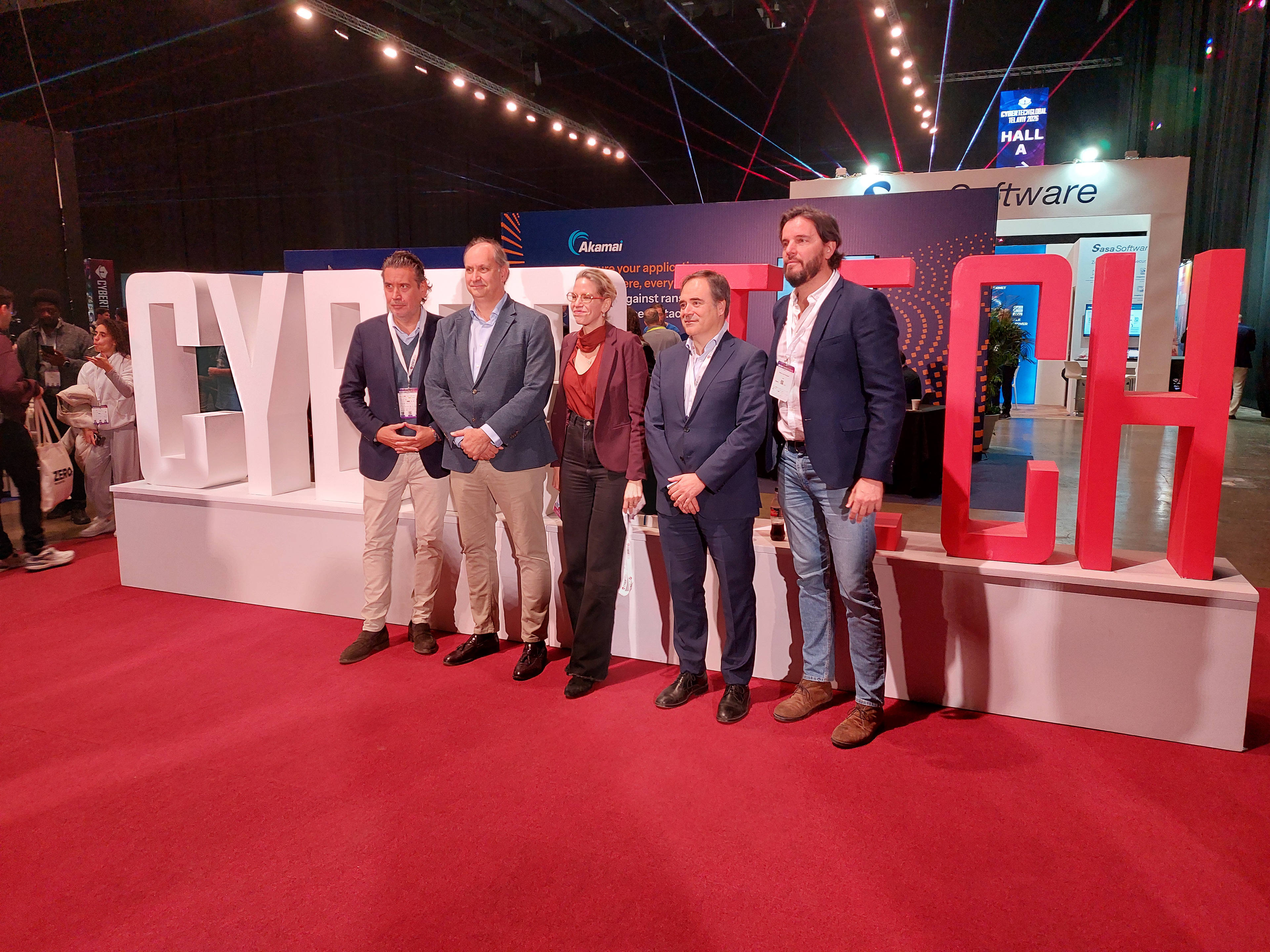
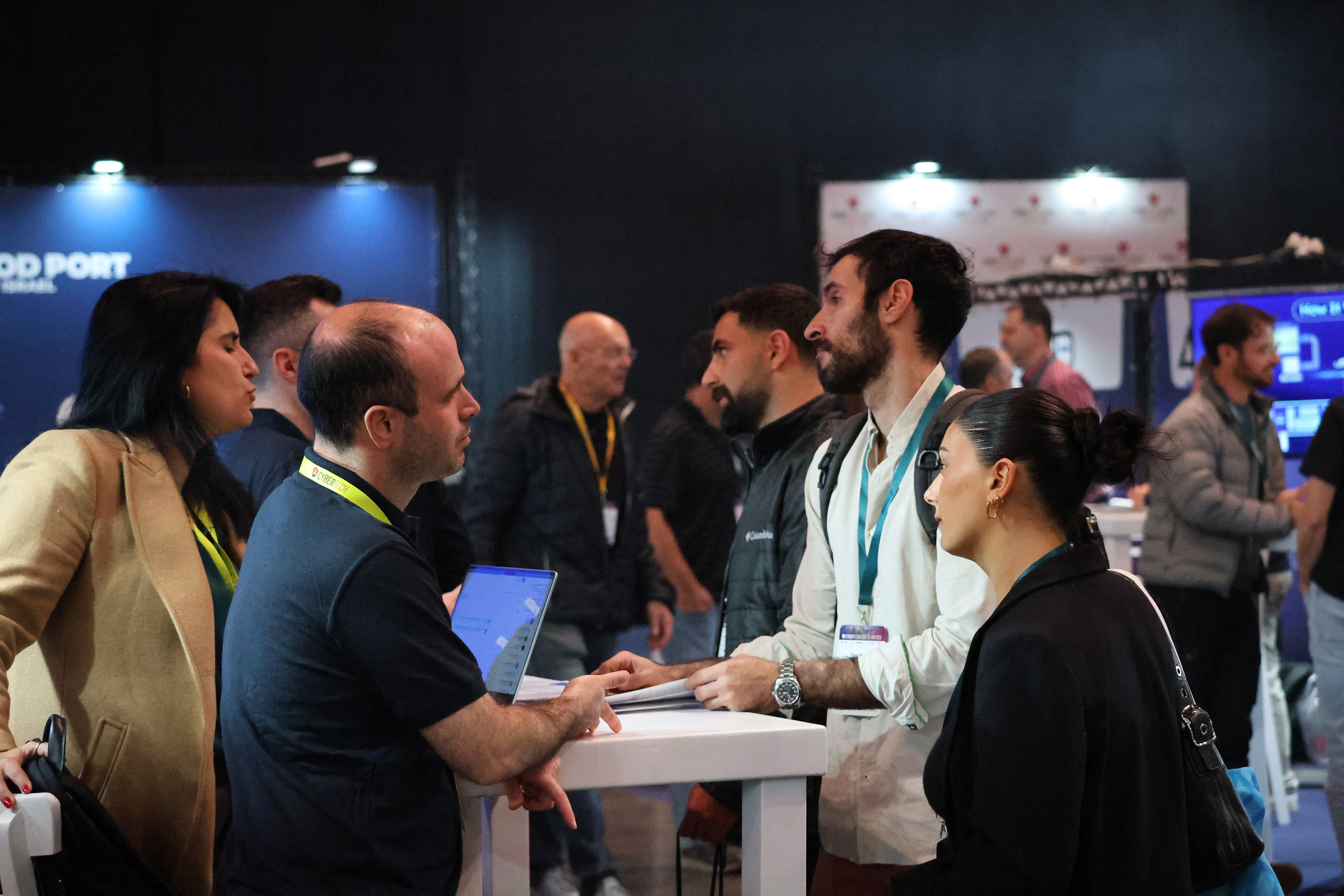
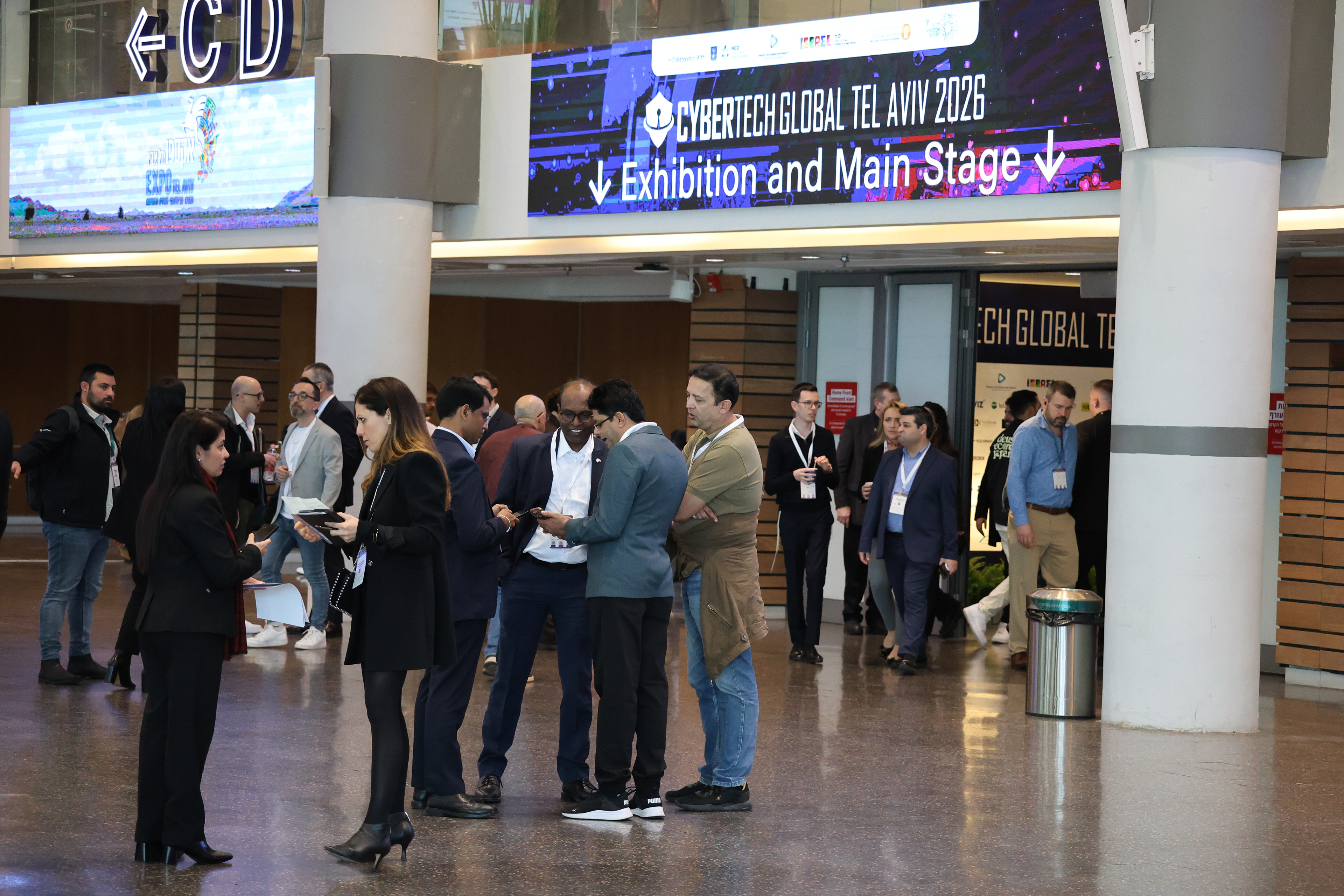
Cybertech 2026 felt less like a conference and more like a moving control room, where everything happened at once and nothing waited. In the entrance corridors, small groups formed and dissolved under glowing signs pointing to the main stage, people leaning over phones, exchanging names, nodding fast, already late for something else. The exhibition floor carried the same tempo: focused conversations, tight circles, no wasted gestures. On stage, the tone hardened. Yossi Karadi of the Israel National Cyber Directorate spoke with the calm weight of someone managing systems that cannot fail. Just a few steps away, at the Lionsgate Network booth, Bezalel Eithan Raviv explained blockchain forensics face to face, the words “Tracing Funds. Protecting Victims. Stopping Crime.” hanging behind him like a quiet thesis for the entire event. And then, in a moment that cut through all the technical noise, Noa Argamani took the microphone. Her voice was steady, her presence grounding, the room suddenly listening in a different way. For a brief stretch of time, Cybertech stopped talking about systems and started talking about people. That contrast, between speed and stillness, technology and consequence, is what defined Cybertech 2026 more than any keynote ever could.