Year Zero does not feel like a retrospective. It feels more like standing in a room where the air has just shifted, where something irreversible is about to happen but hasn’t yet fully announced itself. At the Tel Aviv Museum of Art, the exhibition circles around the final years before World War II and the improbable chain of decisions that allowed fragments of European modernism to find refuge in Tel Aviv. The story is anchored in the figure of Dr. Karl Schwarz, the museum’s first director, who understood earlier than most that art was becoming vulnerable. On the brink of war, he returned to Europe in pursuit of a painting he had once encountered in Berlin as a young man. He tracked it down in Amsterdam and convinced its owner to send it to Tel Aviv. That gesture—part conviction, part urgency—became emblematic of a larger mission. Between 1933 and 1945, Schwarz helped transfer thousands of works out of a continent sliding into cultural devastation. What might have been scattered, confiscated, or destroyed instead became the foundation of the museum’s modern collection.
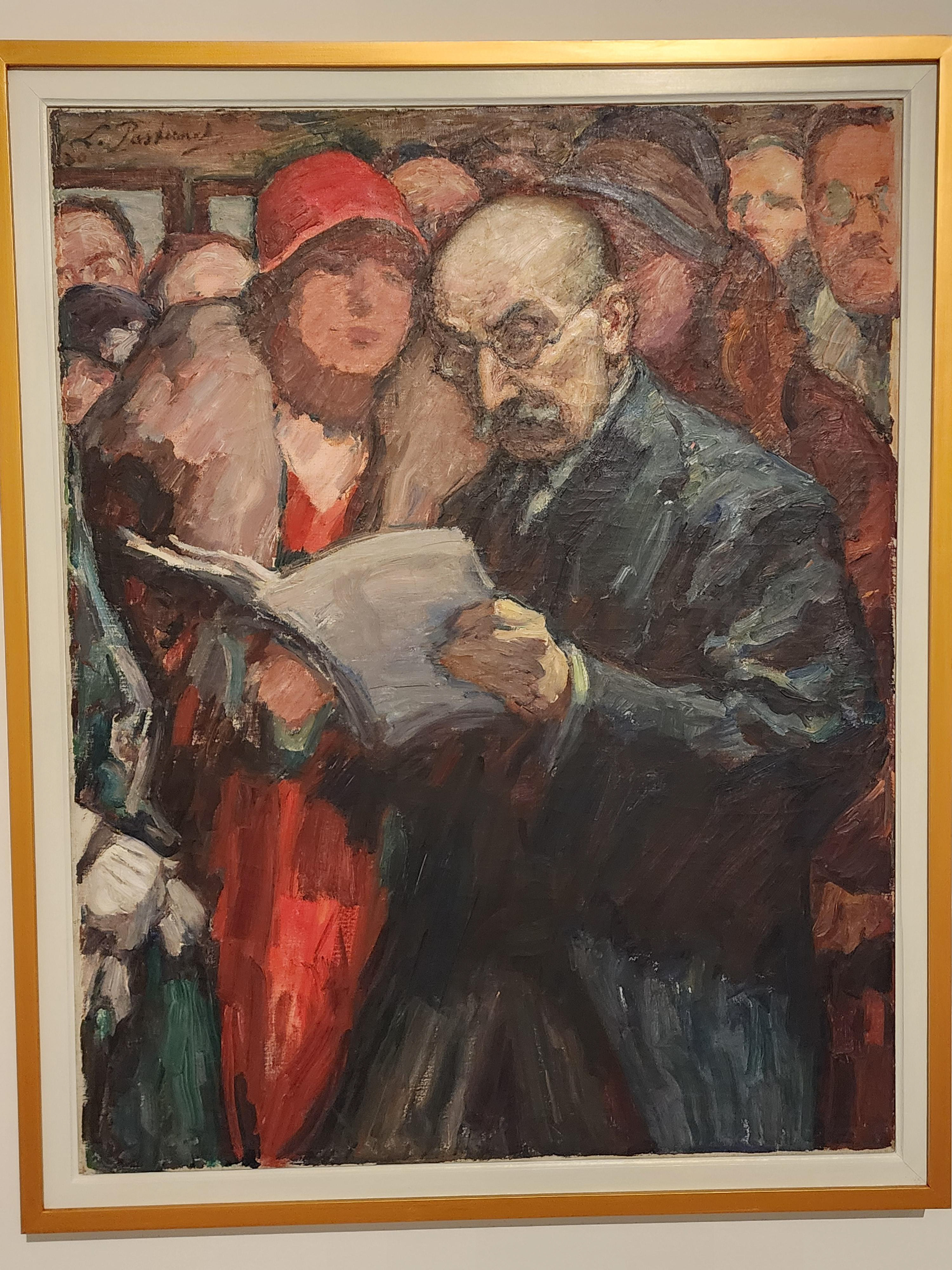
One of the most arresting works in the exhibition is Leonid Pasternak’s 1930 painting depicting Max Liebermann opening an exhibition at the Berlin Academy. The canvas is crowded and almost oppressive, as if the figures have been compressed by invisible pressure. Liebermann sits absorbed in a sheet of paper, his bald head catching the light, his spectacles reflecting a muted glare. Around him, a woman in a vivid red hat leans close, her features softened by thick strokes of paint, while other faces blur into the background. The brushwork is restless, layered, textured. Flesh tones dissolve into browns and greys; garments are suggested rather than fully defined. It is a scene of ceremony, yet it feels anything but celebratory. Instead, it carries the tension of a cultural world still functioning but already under strain. Looking at it now, knowing what would follow in Germany within just a few years, the painting seems suspended between dignity and impending rupture.
Leonid Pasternak’s identity adds another dimension to the experience. He was the father of Boris Pasternak, whose novel Doctor Zhivago would later explore the moral and emotional dislocation brought about by revolution and ideological upheaval. The connection is not merely biographical; it is thematic. In Doctor Zhivago, individuals attempt to preserve inner life, love, and thought amid sweeping historical violence. In the father’s painting, a similar tension flickers across the surface. Intellectual engagement persists. Cultural ritual continues. Yet something in the density of the crowd and the unsettled brushwork hints at instability. It is as if the painting captures the last moment of composure before the narrative fractures—an atmosphere Boris Pasternak would later articulate in prose.
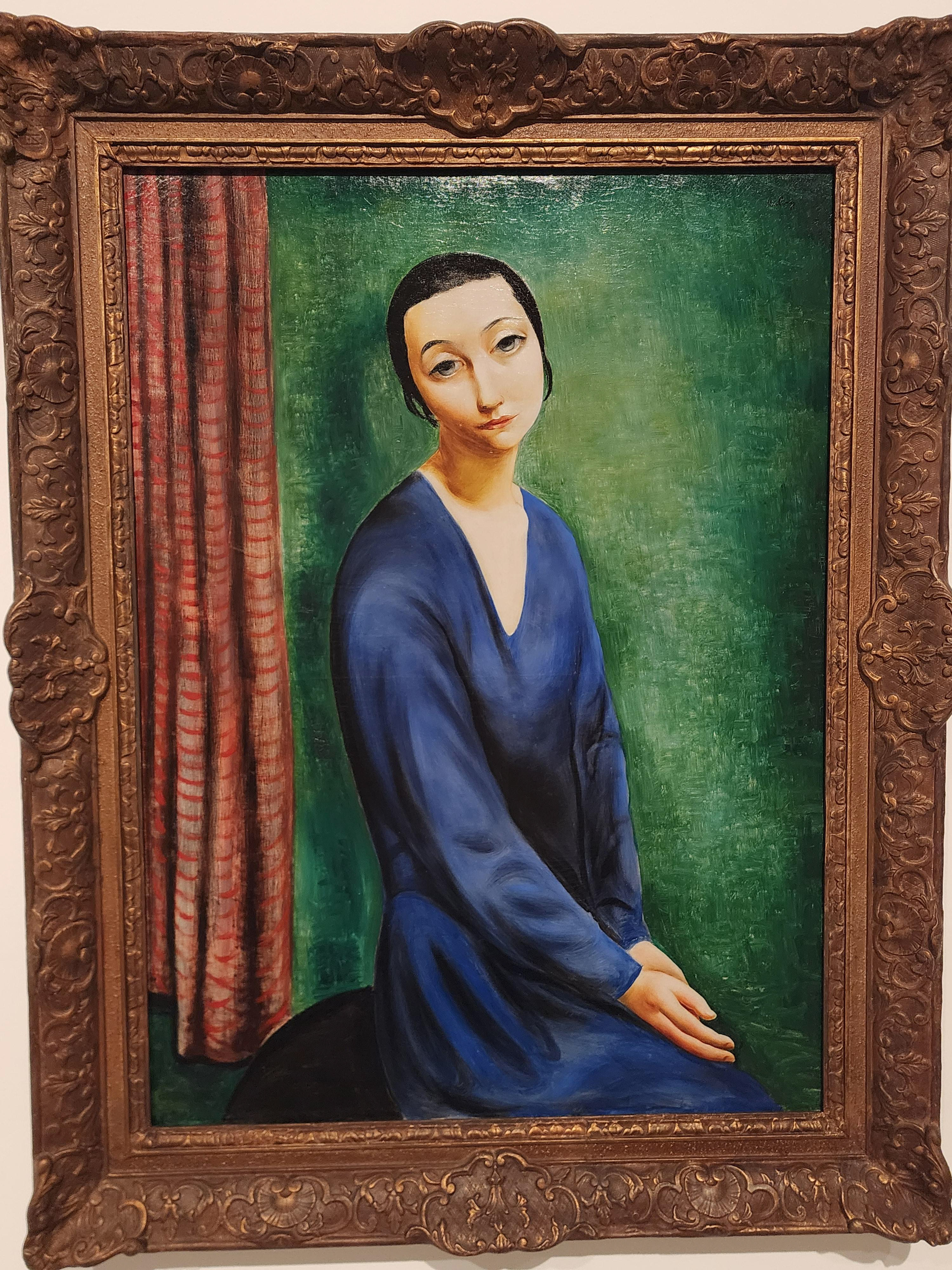
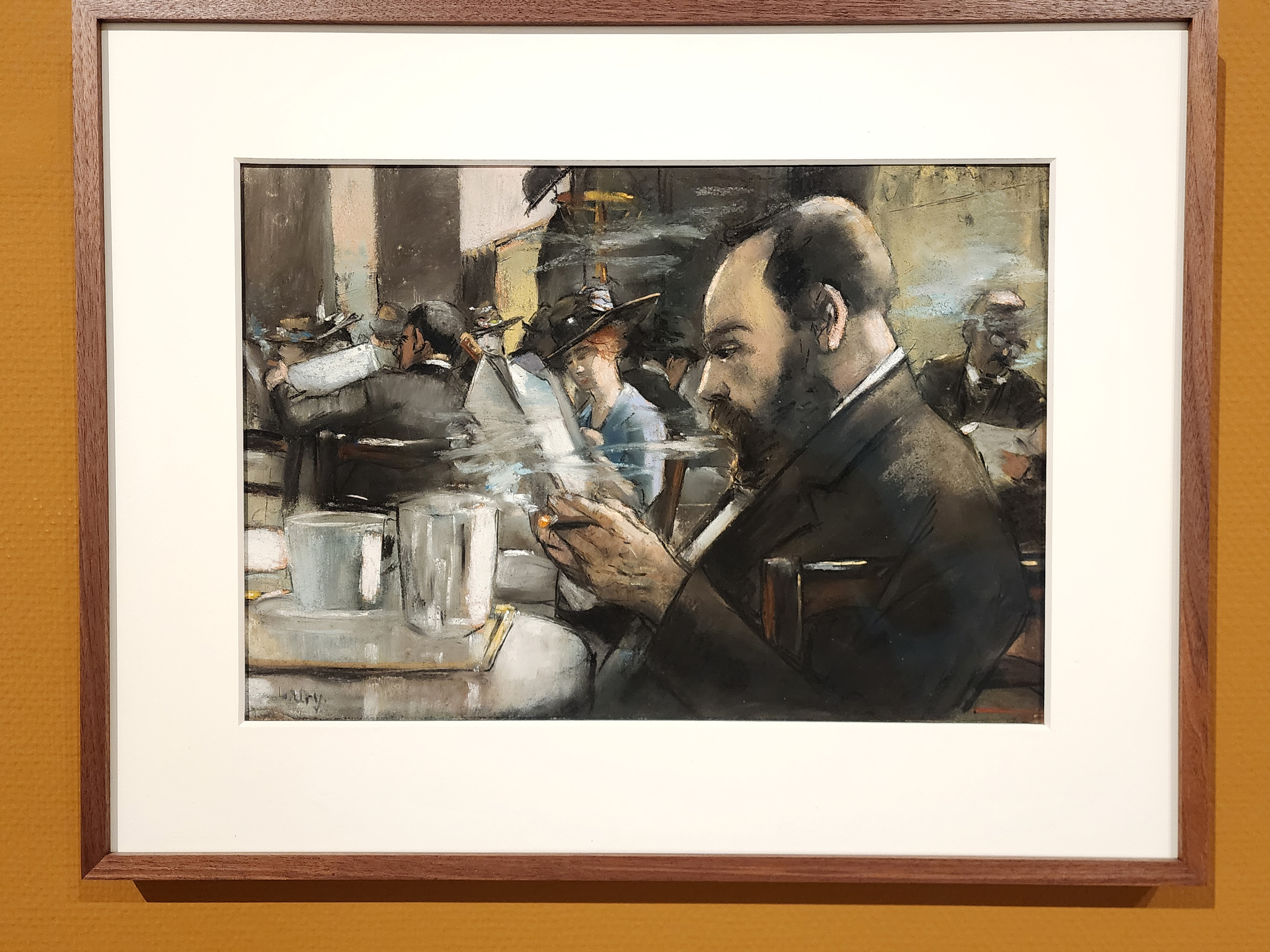
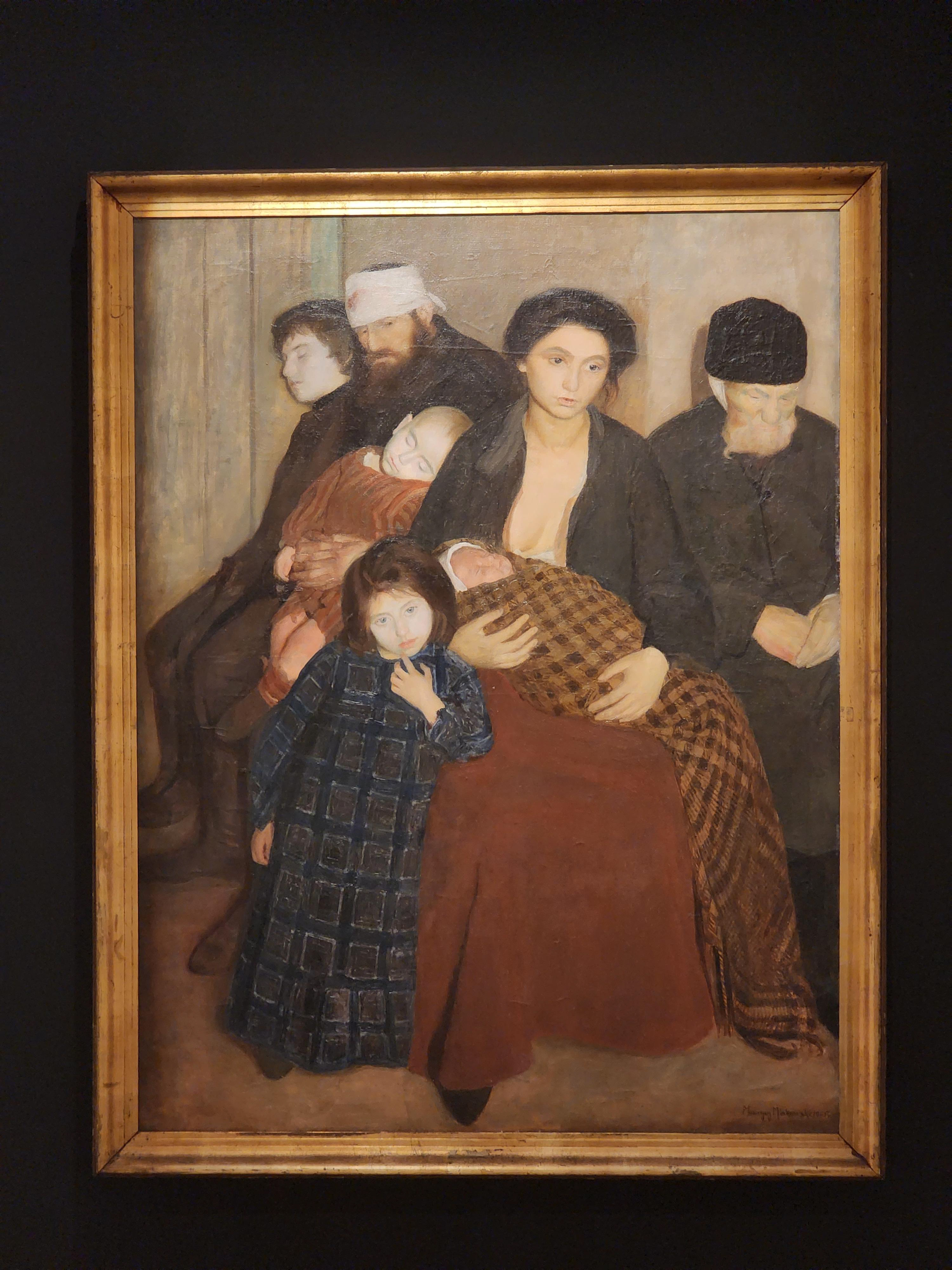
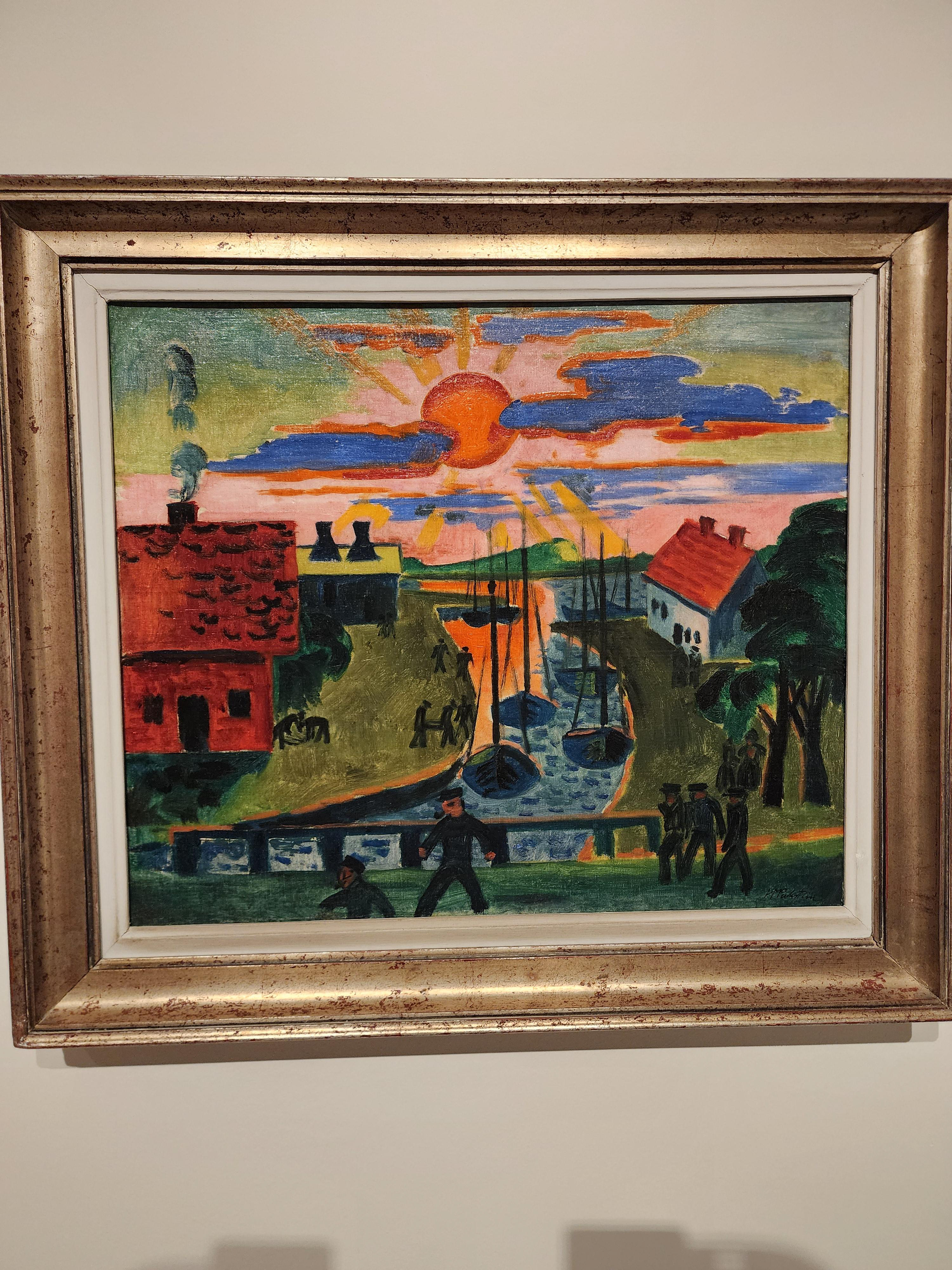
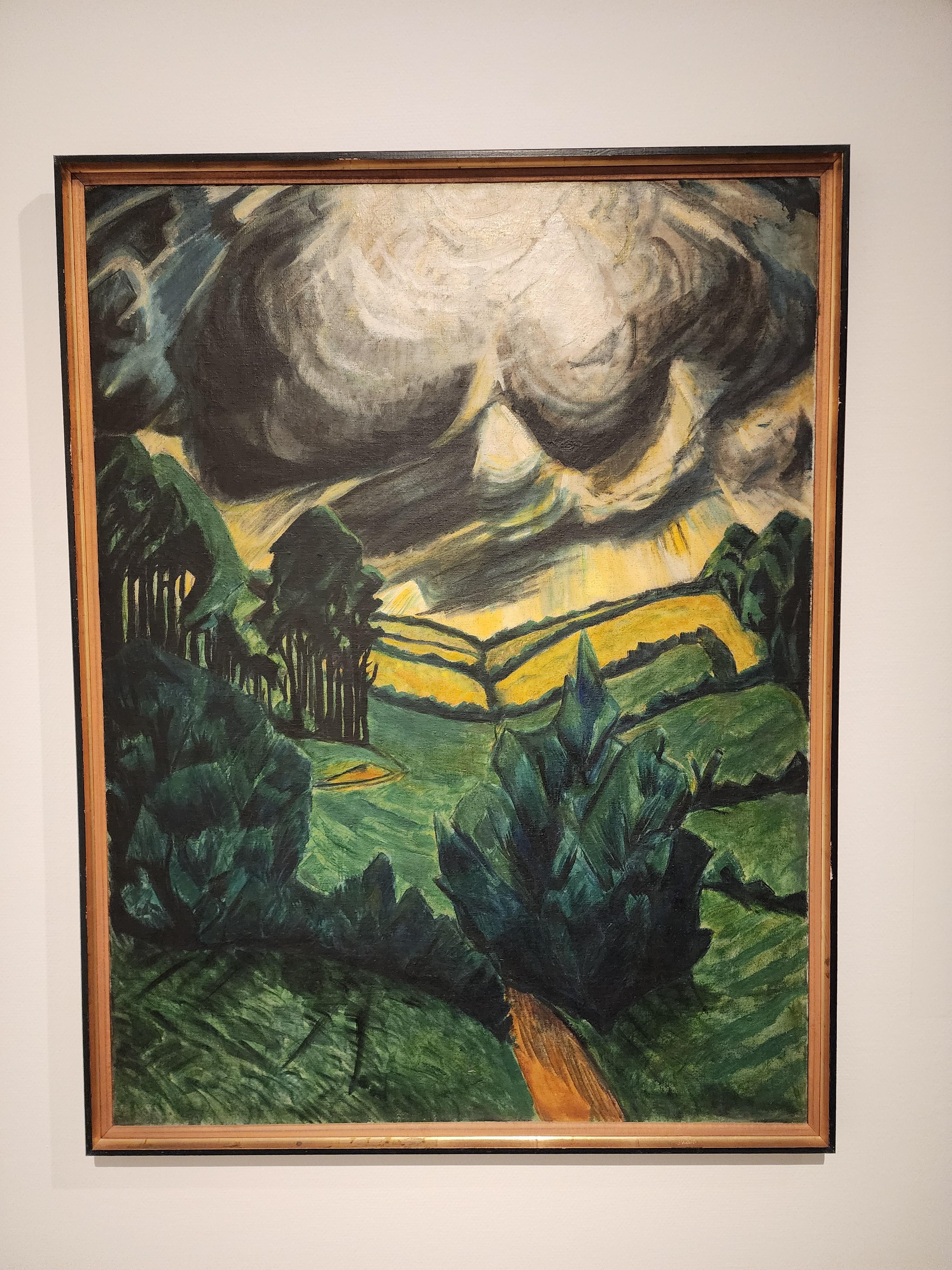
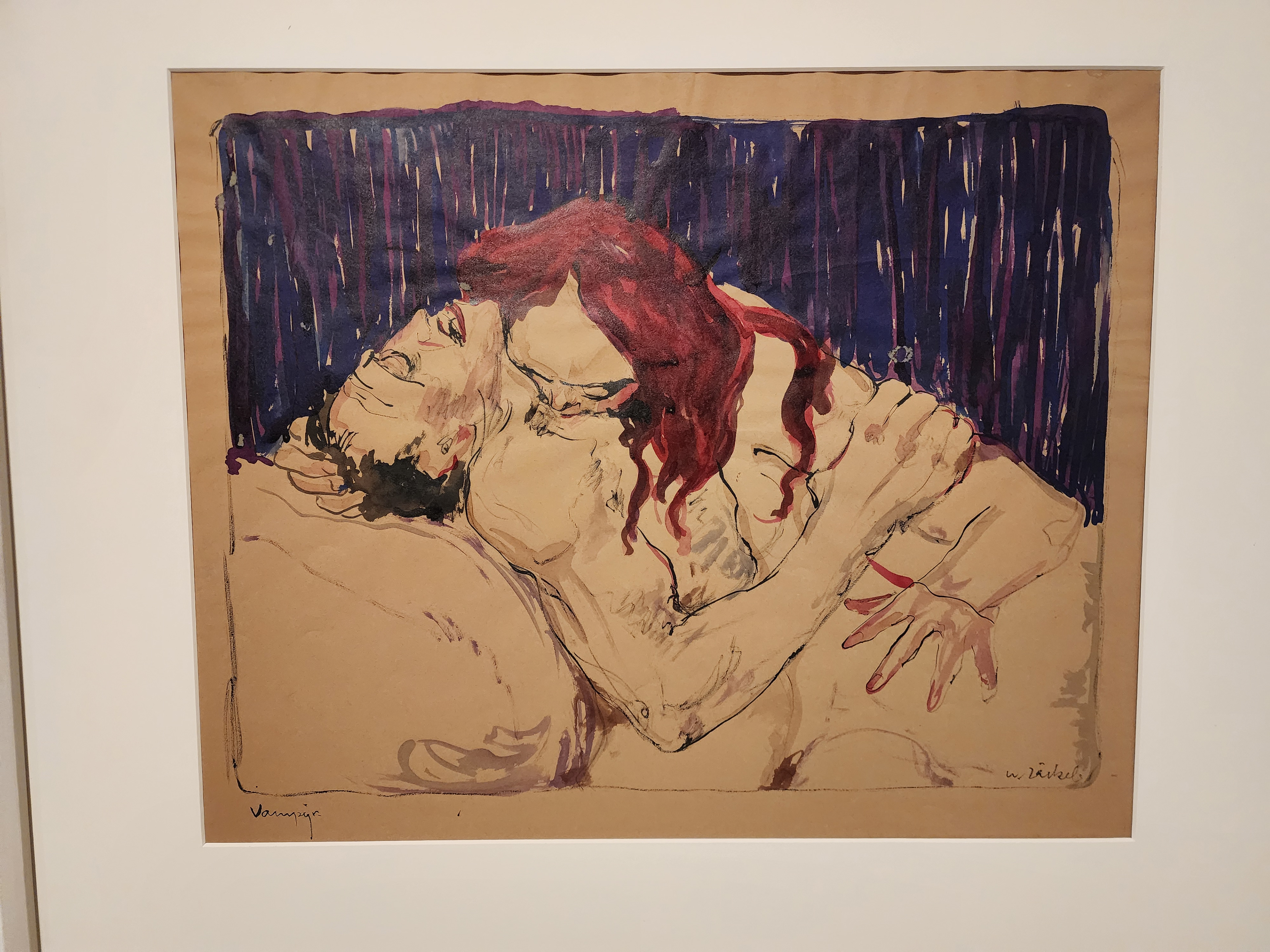
Year Zero brings together works by artists such as Alexander Archipenko, Marc Chagall, and Käthe Kollwitz, weaving them into a larger meditation on displacement, rescue, and continuity. The exhibition coincides with the 80th anniversary of the end of World War II, but it resists grand commemorative gestures. Instead, it focuses on the narrow corridors through which art survived: personal networks, urgent letters, risky shipments, quiet negotiations. These artworks did not arrive in Tel Aviv as trophies; they arrived as refugees. The galleries hold not only aesthetic innovation but the residue of historical tension. Walking through them, you become aware that modern art here is inseparable from moral action. Without Schwarz’s determination and foresight, many of these pieces might have vanished into private vaults or darker fates.
What lingers after leaving the exhibition is not only admiration for the works themselves but an awareness of contingency. Culture endures not by default but through choices made at critical moments. Year Zero suggests that modern art in Tel Aviv was born not merely from creative ambition but from urgency, migration, and rescue. The exhibition quietly argues that preservation is itself an act of resistance, and that even in the shadow of catastrophe, the act of saving a painting can ripple forward for generations.